Markets & Consumption
From anti-aging to longevity: why brands are shifting their strategy

From Lancôme to Sephora: the longevity economy is moving from a trend to a strategic priority.
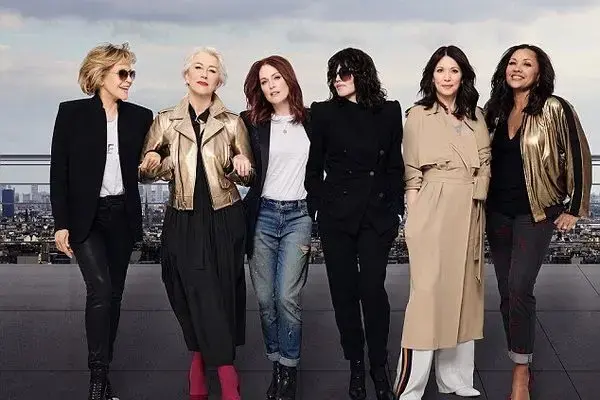
The recent launch of Lancôme's Longevity line in Spain might seem, at first glance, like just another product rollout in the beauty industry. However, behind the event lies a much more significant signal: one of the world's leading brands has decided to explicitly incorporate the concept of longevity into its innovation and positioning strategy.
This is not simply about selling creams. It is about recognizing that population aging is transforming markets and that companies that grasp this shift early on will gain a significant competitive advantage.
For decades, much of the industry built its value proposition around the concept of "anti-aging." The implicit message was that aging was a problem to be fought. Today, a different narrative is beginning to emerge. Companies like L'Oréal are talking about "The Beauty of Longevity" and developing solutions grounded in science, well-being, prevention, and personalization, understanding that people want to live longer and better, not simply look younger.
What is fascinating is that this phenomenon extends far beyond the cosmetics industry. Sephora has started incorporating more age-inclusive brands and messaging, while hotel chains, tourism companies, real estate developers, and financial services firms are revising their products to cater to a population that is living longer, remaining active for more years, and commanding growing purchasing power. The question is no longer whether a market exists for older adults. The question is how to adapt the value proposition to an entirely new demographic reality.
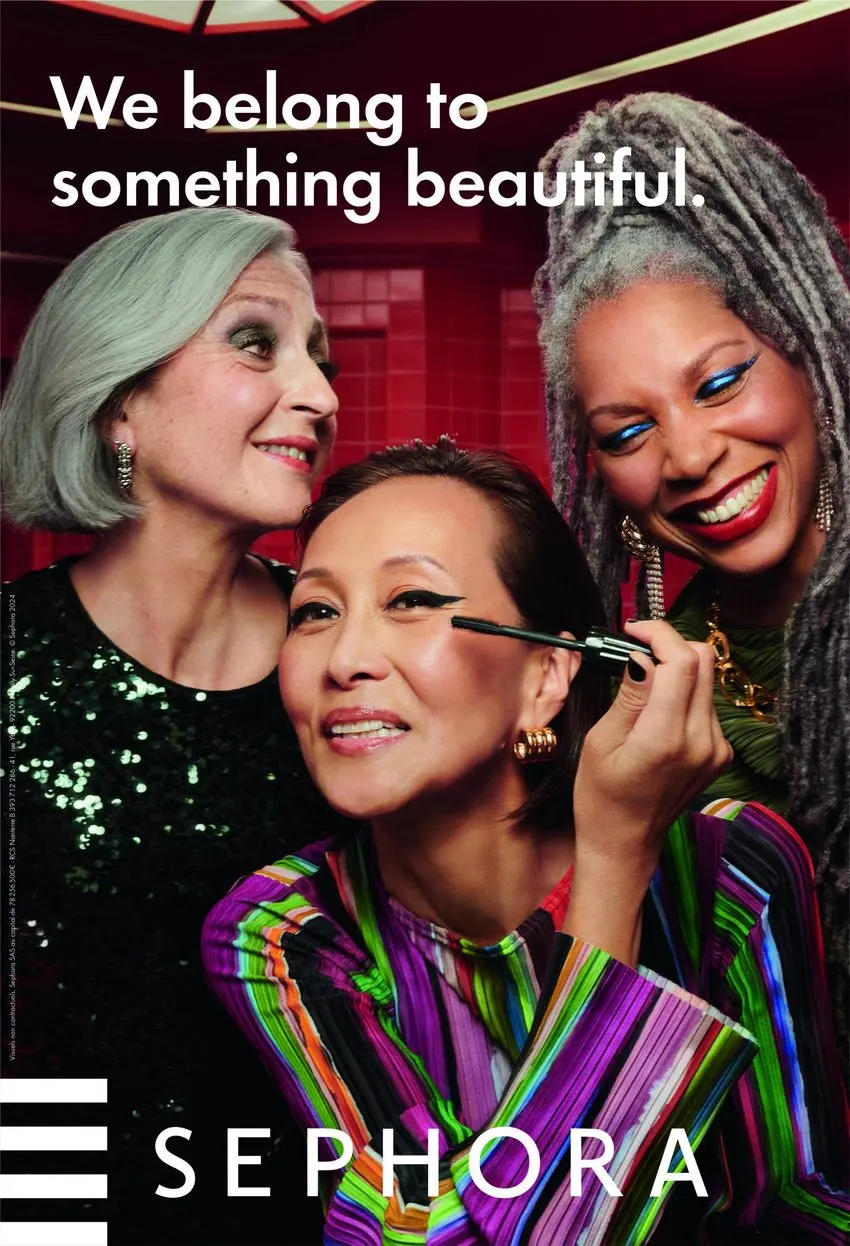
The most forward-thinking companies are realizing that the opportunity is not just about developing specific products for older adults. In many cases, the change is deeper and relates to the narrative. Incorporating models of various ages in campaigns, designing more inclusive experiences, revising assumptions about who consumes certain products, or eliminating age-related biases can have just as much impact as launching a new business line. Longevity is not a category. It is a new lens through which to view the market.
Simultaneously, a particularly interesting figure is beginning to emerge in the corporate world: leaders and organizations taking on the responsibility of thinking strategically about the impact of longevity on customers, employees, and business models. Some experts are already discussing the need to incorporate roles equivalent to a "Chief Longevity Officer", capable of helping organizations prepare for longer-living societies. Although still an emerging function, it reflects a clear trend: longevity is shifting from being exclusively an issue of health or public policy to becoming a core matter of business strategy.
What we are witnessing with Lancôme is, in fact, part of a much broader phenomenon. Companies are beginning to understand that longevity will be one of the main drivers of economic transformation in the coming decades. Just as strategies related to sustainability, diversity, or digital transformation have emerged in recent years, the ability to understand and respond to demographic change will begin to set leading organizations apart from those that continue operating with a last-century view of the consumer.
The longevity economy is no longer a future projection. It is happening now. And the smartest brands have already begun to act accordingly. Get The Shift Signals every month, or access membership for research, reports, and in-depth learning.Interested in this analysis?